Brazil Reveals What Was Behind My ‘Laziness’ and What I Know Now
The author recalls sitting on the living room floor one evening while his children played nearby. One child struggled to build something with Legos, growing frustrated each time it collapsed. Watching this, the author recognized that…
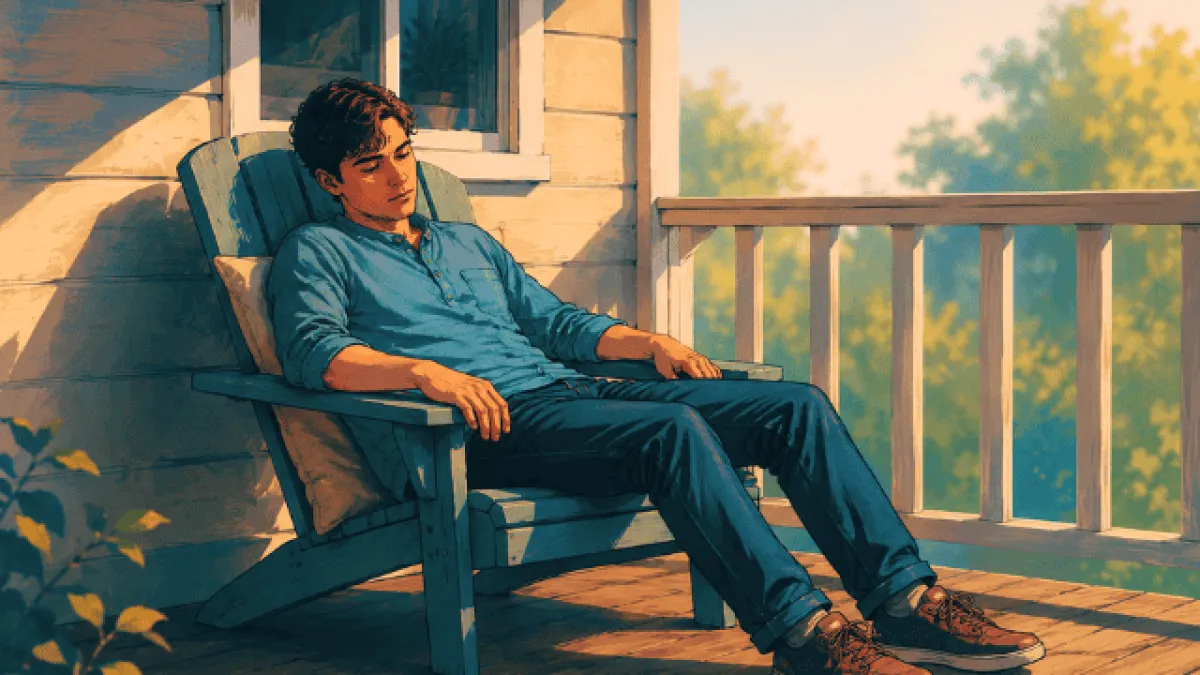
The author recalls sitting on the living room floor one evening while his children played nearby. One child struggled to build something with Legos, growing frustrated each time it collapsed. Watching this, the author recognized that same frustration in himself, not just in that moment but throughout much of his life.
He describes a feeling of wanting to do something, sometimes badly, but being unable to stay steady enough to do it consistently. Growing up, home life could change quickly depending on the day. His father drank heavily at times. There was often tension before his father even walked through the door, a feeling in the stomach before anything had happened.
Childhood also included good memories: playing football with friends on summer evenings, watching TV with his brother, the smell of coffee in the kitchen before school. Ordinary moments mixed with things that were not ordinary at all. This confusion lasted for years because he did not feel like someone who had been through “real trauma.” He thought trauma belonged to people who had it worse. Meanwhile, his body was constantly reacting to stress without him realizing it.
As he got older, he started drinking. Later came drugs, chaos, and periods of feeling lost, followed by periods where he looked fine from the outside. He could function extremely well under pressure, sometimes better than people around him. But everyday life, normal routines, and calm structure were often harder. He could stay focused during intensity, conflict, and urgency, but folding laundry, answering emails, staying emotionally present, and doing small repetitive tasks felt exhausting in a way he could not explain.
Having children changed how he saw himself. There were moments when he would react too fast, become emotionally overwhelmed, or lose motivation and disappear into his own head. Afterward, he would wonder why he struggled with things that seemed easy for others. For years, he thought the answer was discipline, or a lack of it. He started reading about stress, dopamine, motivation, and how the nervous system is shaped by repeated experiences. He realized the brain adapts to environments, especially during childhood. If stress, unpredictability, emotional tension, or chaos happen often enough, the nervous system organizes itself around that. People begin living in reaction before they notice it.
The author believes many adults call themselves lazy when they are actually experiencing a nervous system that learned survival long before it learned safety. Survival patterns do not disappear just because life becomes more stable later on. They can follow into relationships, parenthood, work, motivation, rest, and the ability to sit still without needing noise, stimulation, or distraction.
What changed for him was not becoming perfectly healed. He does not think life works that way. What changed was learning to stop turning every struggle into a character flaw. He began asking himself: What is this reaction? Why does my body go there so quickly? What did my nervous system learn years ago that it still thinks I need today? That shift changed how he parents his children. Children learn from experiences constantly, not just from what is said to them, but from what life around them feels like over and over again. He now approaches this with a sense of responsibility rather than guilt.
Patrick Dahlstrom is the founder of Hope for Families, a platform focused on dopamine, motivation, emotional regulation, and early prevention in children and families. He draws from both lived experience and neuroscience education to write about stress, behavior, parenting, and how repeated experiences shape the developing brain.