Brazil finds mindfulness through sound, silence and stillness
For years, a person believed they were a good listener. They could hold eye contact, nod at the right moments, and ask thoughtful follow-up questions. But one afternoon, sitting on a yoga mat in a small…
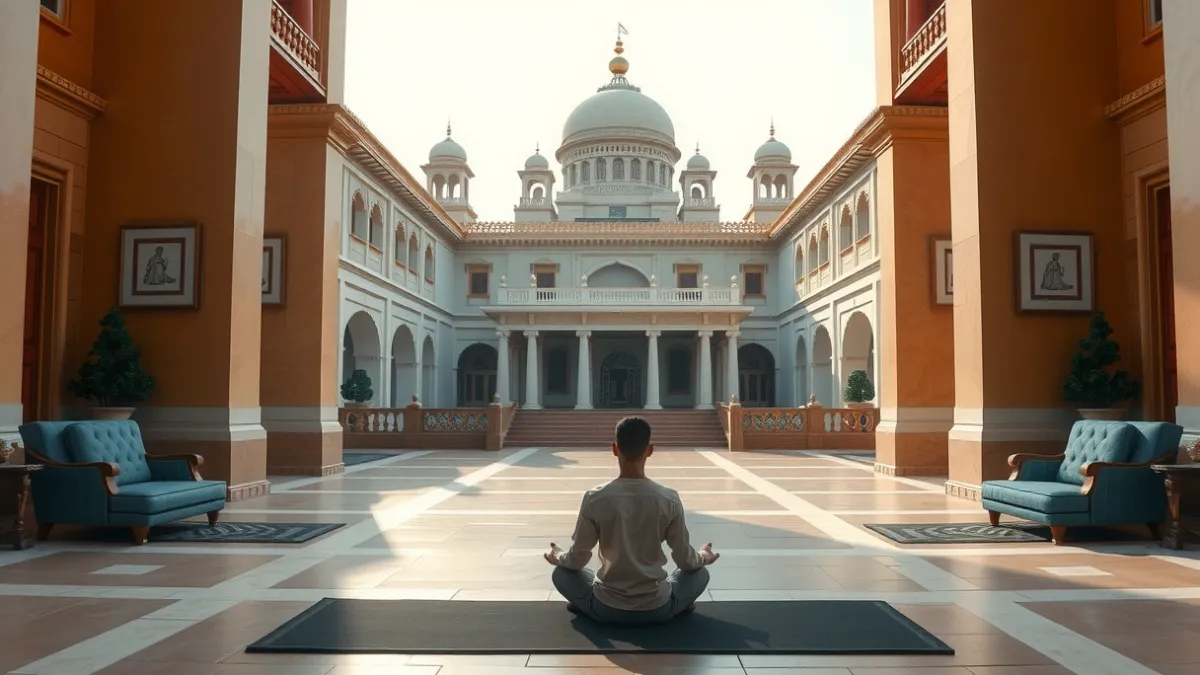
For years, a person believed they were a good listener. They could hold eye contact, nod at the right moments, and ask thoughtful follow-up questions. But one afternoon, sitting on a yoga mat in a small studio in Rishikesh, they realized they had never truly listened to anything, not even themselves.
A teacher asked the group to close their eyes and simply notice the sounds around them. A ceiling fan turned slowly overhead. A dog barked somewhere down the street. Their own breath was uneven and shallow. Beneath all of it, there was a stillness with a texture, a living, vibrating quiet they had been too busy to notice before.
That was their first deep encounter with Nada Yoga, an ancient Indian practice of yoga through sound. It changed what they thought they knew about being present.
Filling Every Silence
For most of their adult life, this person moved through the world with background noise as a constant companion. Music played while cooking. A podcast played during a morning walk. The television murmured as they fell asleep. They told themselves they simply liked sound. But in honesty, they were afraid of what might surface in the quiet.
There is a kind of noise people manufacture not for pleasure, but for protection. It keeps them from sitting with difficult questions: Am I living the life I actually want? Why does this relationship feel so hollow? What am I really feeling underneath all this busyness?
They had been using sound as an escape from sound, from the deeper sound of their own interior life. The feelings they were most afraid to face in the quiet were a sense of purposelessness and a deep uncertainty about whether the path they had chosen, dedicating their life to music, was truly theirs or simply what they had always known. Growing up steeped in classical Indian music, it was hard to tell the difference between a calling and conditioning.
In the silence, those questions got louder. Am I teaching because I love it, or because it is all I know how to do? Am I connected to this practice, or have I simply built an identity around it? There was also grief for relationships that had drifted because of constant travel and teaching, always immersed in sound while missing the people right in front of them. The noise kept all of that at a comfortable distance. Only when they truly sat with the silence did they stop running from those questions and start letting them shape them into someone more honest.
The Practice That Changed Everything
Nada Yoga is rooted in the understanding that all of existence is vibration. From the hum of the universe to the rhythm of the human heartbeat, sound is not merely something people hear. It is something they are.
The practice begins simply. A person sits. They listen. They resist the urge to fill the silence with thought, judgment, or anticipation. They let sound move through them rather than bounce off the surface of a distracted mind. In the early days, the person was terrible at it. Their thoughts would sprint ahead to a grocery list, an unanswered email, or a conversation handled differently. A teacher would say, gently but firmly: “Come back to the sound.” Slowly, they began to.
Then came the music. They would listen to a single drone, a tambura, a singing bowl, sometimes just a held note on a harmonium. Within that note, the mind would find a place to rest. It was not silence as an absence of noise. It was silence as a presence, wide, unhurried, and completely real.
What Sound Teaches About Being Here
There is something uniquely powerful about using sound as a path to presence, because sound demands nowness. A person cannot hear yesterday. They cannot hear tomorrow. Sound exists only in the living moment, and to truly listen is to arrive there with it.
The person began to notice how this changed the texture of ordinary life. They would wash dishes and hear the water differently, not as background noise but as something worth attention. They would sit with a friend and actually hear the quality of their voice, the hesitation between their words, what they were not quite saying. The practice had given them new ears. With new ears came a new kind of presence, not the performed presence of eye contact and nodding, but a genuine settling into the here and now.
They also began to understand something about their relationship with music. They had always loved it deeply, but they had used it the way many people do, to manage their emotional state, to push feelings up or push them down. Nada Yoga invited them to stop managing and start meeting. To let music meet you where you are, without needing it to take you somewhere else, is a profound act of self-acceptance. It is the difference between using sound as a tool and experiencing sound as a truth.
Three Practices to Begin
Years of dedicated study are not needed to begin exploring sound as a doorway to presence. Here are three simple practices that have transformed one person’s relationship with both sound and stillness:
The Two-Minute Deep Listen. Once a day, stop whatever you are doing and close your eyes. For two minutes, simply notice the sounds around you without labeling them as good or bad, welcome or unwelcome. The refrigerator hum, the distant traffic, your own breath. Let everything be exactly as it is. This is the foundation of Nada Yoga: non-judgmental listening.
Conscious Music Listening. Choose one song and listen to it with your full, undivided attention. No phone. No multitasking. Notice the silence between the notes as much as the notes themselves. Notice what the music brings up in your body. Notice the moment your mind wanders, and gently return. What you are practicing is the same as seated meditation, but the sound becomes your anchor instead of the breath.
Sit with a Single Tone. Find a singing bowl, a tuning fork, or a single sustained note on a piano or guitar. Let it ring out and follow it with your full attention until it completely fades. Where does the sound end? Where does the silence begin? Sitting with that question, not to answer it but to inhabit it, can open something very deep.
Coming Home to the Present
The person still loves background music. They still enjoy a podcast on a long walk. But something fundamental has shifted. They no longer need sound to fill a void. They have learned, slowly and imperfectly, that the quiet is not empty. It is full of everything they were too distracted to receive.
Presence is not a personality trait. It is a practice. And sound, in all its richness, in all its subtlety, in its capacity to arrive and dissolve in the same breath, is one of the most accessible teachers people have. All you have to do is listen.